
Graviton’s experimental therapy boosts frataxin levels in FA patient cells
Phase 2 trial of GV101 to begin enrolling participants before year's end
Written by |
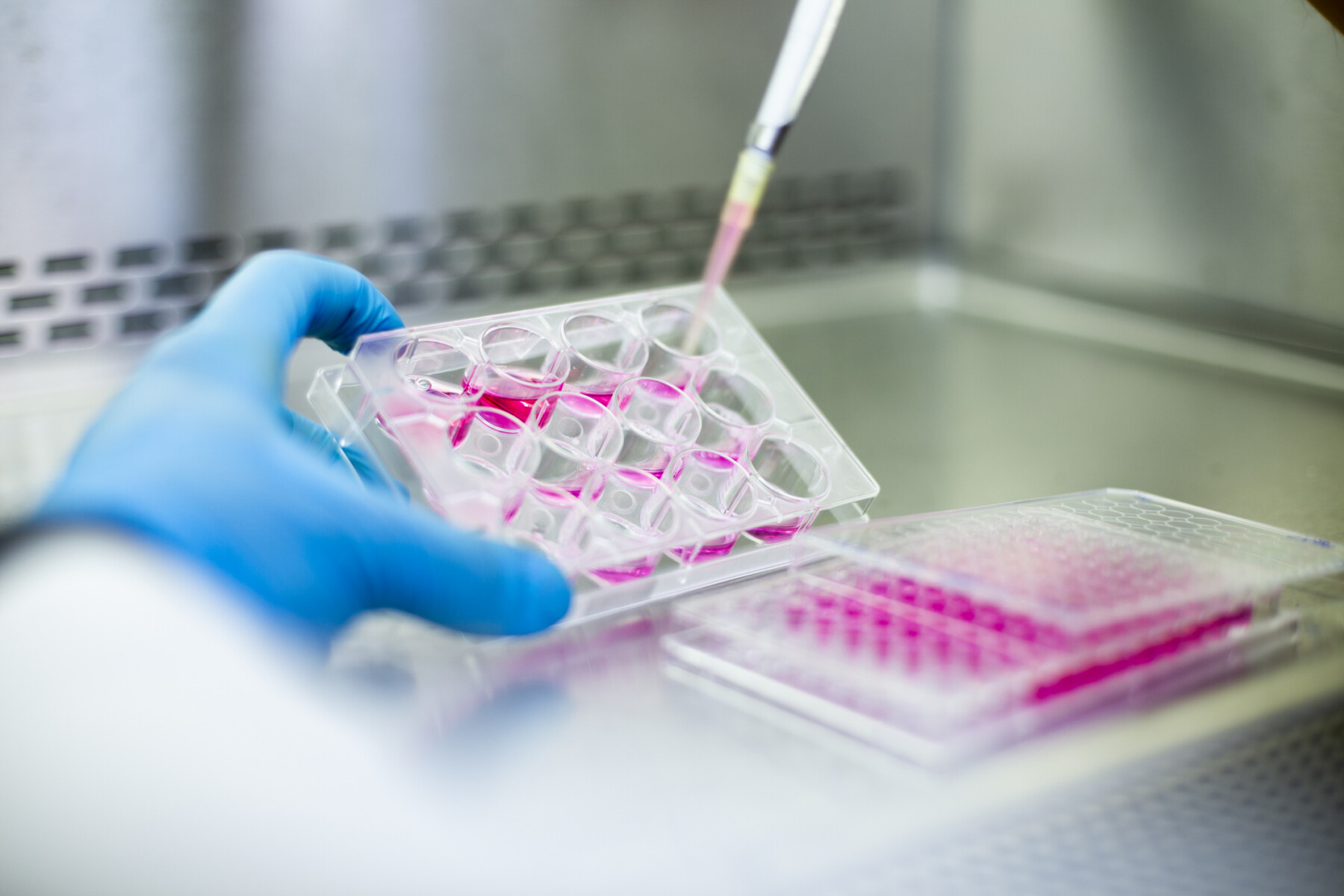
Ahead of a Phase 2 clinical trial recruiting later this year, new findings show Graviton Bioscience’s GV101 boosts levels of the key protein frataxin in cells from people with FA. (Photo from iStock)




Graviton Bioscience’s experimental therapy GV101 increased the production of functional frataxin in blood cells from people with Friedreich’s ataxia (FA) and in adults with obesity from a prior clinical trial, new data show.
“These findings strengthen the scientific rationale for targeting ROCK2 to restore frataxin in Friedreich’s ataxia,” Rui Wu, PhD, Graviton’s executive vice president, head of research and preclinical, and chief officer of chemistry, manufacturing, and controls, said in a company press release.
The findings were presented by Tony Yu, PhD, a principal scientist on Graviton’s research and preclinical team, in a poster titled “Novel ROCK2 inhibitor increases expression of frataxin in FA-derived cells” at the International Congress for Ataxia Research 2026, held recently in Atlanta.

How GV101 targets FA
With preclinical data already in hand, Graviton recently launched a Phase 2 clinical study (NCT07870590) that plans to enroll 48 adults and adolescents, ages 16 to 40 years, with a genetically confirmed diagnosis of FA. The main goal is to monitor changes in blood frataxin levels with GV101 compared with a placebo over 12 weeks. Recruitment is expected to start before the end of this year.
FA is primarily caused by an abnormal expansion of a DNA sequence called a GAA repeat in the FXN gene, which reduces frataxin production. This protein helps mitochondria produce energy by supporting the building of iron-sulfur clusters. Without enough frataxin, iron accumulates in mitochondria, causing symptoms.
GV101 is designed to selectively block ROCK2, a protein that helps regulate several processes in the body, including gene activity. By blocking ROCK2, GV101 is expected to help restore frataxin production in FA, thereby easing disease symptoms.
In laboratory experiments, researchers tested GV101 in two types of cells obtained from patients with FA: lymphoblastoid B-cells, which are immune cells modified and grown in the laboratory, and fibroblasts, which normally help form the connective tissue that holds the body’s structures together.
The researchers measured levels of both messenger RNA (mRNA) — the molecule that carries genetic instructions from DNA so that cells can produce proteins — and frataxin. Treatment with GV101 significantly increased both FXN mRNA and frataxin protein. In fibroblasts, GV101 restored frataxin to at least 45% of levels observed in healthy cells.
Evidence of functional frataxin across models
This increase occurred alongside an increase in the activity of aconitase, an enzyme involved in mitochondrial energy production. “Importantly,” Wu said, “we also saw evidence that the newly produced frataxin is functional at the mitochondrial level. The consistency of these findings, in a biomarker-led approach further supports our continued clinical development of GV101 in Friedreich’s ataxia.”
The researchers also found increased production of frataxin in fibroblasts with varying numbers of GAA repeats. Longer repeat expansions are generally associated with lower levels of frataxin and earlier, more severe disease. This suggests that GV101 may increase frataxin across patients with different numbers of GAA repeats.
The study also included results from a previous 16-week, placebo-controlled Phase 2 clinical study (NCT06979505) of GV101 in obese adults. In peripheral blood mononuclear cells, which are immune cells found in the blood, collected from clinical responders — defined as those with an average increase in frataxin of at least 10% compared with their pre-treatment levels — the increase was consistent during treatment.
“The elevated frataxin protein is functional, supporting restoration of biological activity,” the researchers wrote.
Overall, “these findings provide additional mechanistic and translational support for the continued development of GV101 as a potential disease-modifying therapy for Friedreich’s ataxia,” the press release stated.



Leave a comment
Fill in the required fields to post. Your email address will not be published.