
AAC 2026: Expert shares tips for fatigue management in FA at conference
Using spoon theory may help those with limited daily energy
Written by |
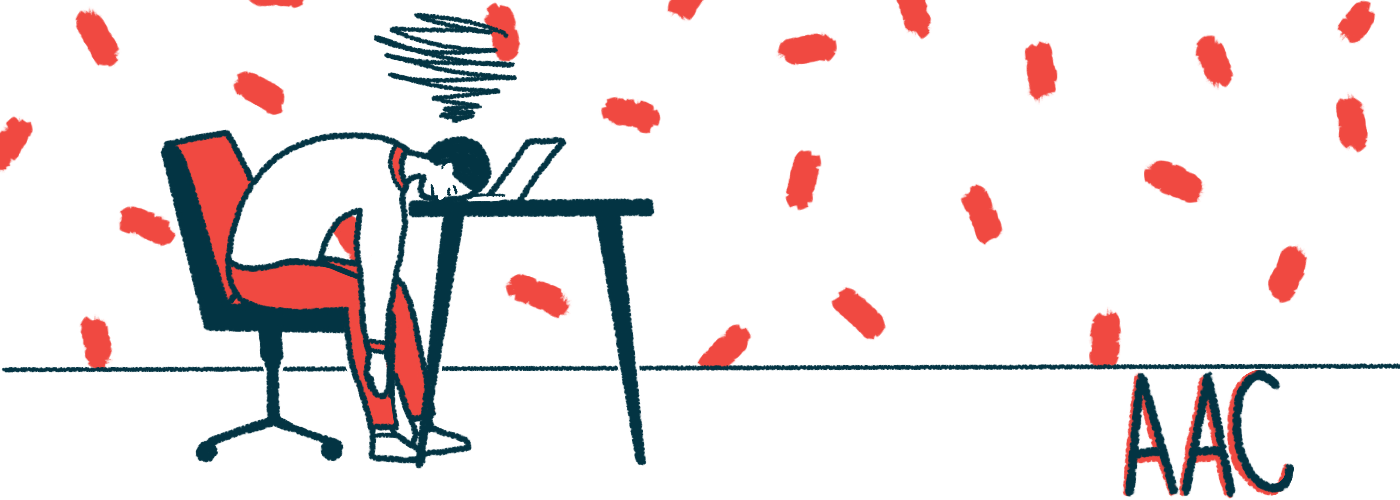




Living with Friedreich’s ataxia (FA) often involves fatigue, a sense of profound exhaustion that can affect your independence and quality of life. A session presented at the 2026 Annual Ataxia Conference (AAC) in Orlando, Florida, offered practical advice for managing this common symptom of FA and other ataxias.
Led by Elizabeth Foss, an occupational therapist based in the Chicago area, the session offered practical energy management techniques to help people with FA and other ataxias achieve a more sustainable balance in their day-to-day routines.
During her talk, Foss reassured the audience, including those who may also cope with fatigue: “You are not alone in what you are experiencing.”
Addressing physical factors that contribute to fatigue
With FA, the body often has to work much harder than it should to perform essential daily activities, such as sitting, standing, or walking, which can lead to fatigue. Improving core strength and posture can help the body stay more stable and supported, so that movements use less energy and are perhaps a little easier.
“Improving core can decrease energy expenditure by preventing other muscles from overcompensating,” Foss said. “So, working on the core can help improve that efficiency with day-to-day movements.”
Foss listed examples of physical activity that may help with posture in ataxia:
- physical or occupational therapy
- tai chi
- yoga
- whole body video games
- virtual reality exercise
- aerobic exercise
Of course, before engaging in any of these activities, make sure you consult your doctor, and consider reaching out to a physical therapist or an occupational therapist specializing in neurological disorders. Members of your healthcare team can likely recommend specific core exercises tailored to your abilities and disease stage.
In addition to low core strength, some people with FA also experience heat sensitivity, which can worsen fatigue. Foss recommends trying a cooling vest or a cooling scarf to help with the issue.
Supporting sleep and mental well-being
Another key component of a fatigue management plan is getting enough sleep. Foss mentioned sleep apps, meditations, audio sleep stories for adults, and soundscapes as things worth trying to help with sleep.
Foss also highlighted the importance of stress management. Living with FA and other ataxias can be stressful, and stress may affect your mental health as well as contribute to fatigue.
“Fatigue can be triggered by perceived stress,” Foss said. “Even just preparing for this trip [to the conference] ahead of time, thinking of all the obstacles that you might have to navigate, that can cause a lot of stress.”
Foss recommended trying mindfulness as an evidence-based strategy to help manage stress and fatigue. She added that joining support groups and consulting with a mental health provider can help you further manage your overall mental health.
Conserving energy in daily life
Foss believes the spoon theory can be helpful in managing fatigue associated with ataxia. The strategy involves visualizing your limited daily energy by the spoonful, which you can spend, or use, throughout the day.
Applying the theory in practice means carefully pacing how you use your spoons each day. Different activities may require different numbers of spoons, Foss said.
“Getting dressed might cost an individual one spoon,” she explained. “Taking a shower might cost three spoons in a day. Doing laundry might cost six spoons.”
Foss shared general tips that can help save your spoons:
- Use assistive devices, such as shower chairs when bathing, and a wheelchair while prepping breakfast, to preserve energy.
- Break down bigger tasks into smaller parts.
- Make a to-do list of daily activities and estimate how much energy each one will take.
- Ask for help and delegate some tasks.
- Plan fewer activities on days with doctor appointments or medical treatments.
- Use proper breathing techniques to avoid getting out of breath.
- Maintain good posture throughout the day.
In addition to these general tips, Foss suggested specific strategies related to essential daily activities and chores.
Dressing and self-care
Tips for getting dressed and other self-care activities include:
- Gather all your clothes in one place before getting dressed.
- Sit while you’re putting on your clothes.
- Use grab bars in the bathroom, and make sure it is well-ventilated.
- Brush your teeth with an electric toothbrush.
- Consider a hands-free hair dryer stand and opt for a low-maintenance hairstyle.
Cooking and cleaning
Cooking tips include:
- Assemble all equipment and supplies in advance.
- Opt for lightweight pans.
- Plan meals that are easy to make on busy days.
- When making large meals, have someone help you prepare them.
- Ask someone else to clean up after meals.
As for cleaning, Foss suggests that you “clean one room a day instead of the entire house.” This can help conserve energy. Other helpful cleaning tips include:
- Gather all of your cleaning supplies in a rolling cart.
- If you live in a house with multiple floors, try to have a separate cleaning cart on each floor.
- Choose a lightweight vacuum.
- Opt for pump bottles rather than aerosols for cleaning.
- Consider doing laundry more frequently to avoid large loads.
- Ask someone to pour detergent from large containers into smaller ones.
Overall, making small adjustments to your daily routines can ultimately make a difference. “Little things save spoons,” Foss said.
Fatigue with FA is definitely not something you can “push through,” but it can be managed with targeted strategies and support. By making thoughtful adjustments and using available tools, people with the condition can conserve energy and manage daily life more easily.
Note: The Friedreich’s Ataxia News team is providing live coverage of the 2026 Annual Ataxia Conference April 9-11 in Orlando, Florida. Go here to see the latest stories from the conference.

Leave a comment
Fill in the required fields to post. Your email address will not be published.