
How Friedreich’s ataxia blurred my personal and professional missions
Meeting people in the FA community showed me what I could do as an FA advocate
Written by |
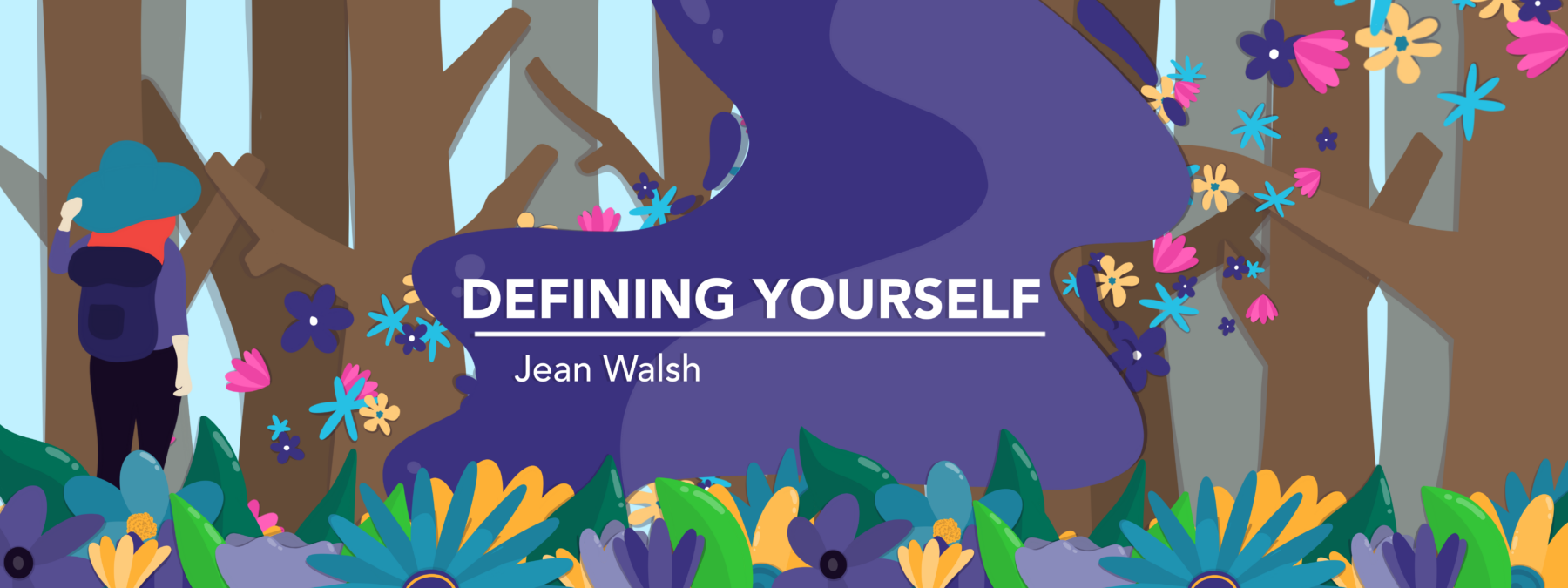




Ever since I was a teenager, my mission has been to leave this world a better place than I found it. I have done my best to do so in small ways, like thanking and smiling at the waiter serving me shrimp scampi, and in bigger ways, by designing a program and writing a grant for programs for court-involved youth.
That is a broad mission, but it has always made sense to me. When I was diagnosed with Friedreich’s ataxia (FA), my professional work stayed focused on resilient youth. Personally, my mission remained the same, too — to move through the world with kindness whenever I could.

The mission changes
After I met people in the FA community, that mission began to shift. I saw that my ability to do good in the world could grow by advocating not only for people with FA, but also for the families and loved ones walking beside them. That advocacy has meant participating in clinical trials and research, planning and speaking at fundraisers, and telling my FA story again and again.
At first, I worried that blending my personal and professional mission meant I had lost the clean edges of who I was supposed to be. Professionally, I believed in service, advocacy, and systems that give people a better chance. Personally, I wanted to live with gratitude, courage, humor, and kindness, even on days when my body made that harder than I wanted to admit.
But FA has a way of refusing to stay in one category. It comes with me to work, to meetings, to fundraisers, to doctor appointments, to conversations with strangers, and to the quiet moments when I am simply trying to make sense of what my life is asking of me.
Embracing the mission blur
Over time, I have stopped seeing that blur as a problem. Maybe it is not confusion at all. Maybe it is alignment. When I advocated for youth, I drew on what I knew about resilience, dignity, and hope. When I advocate for people with FA, I am doing the same thing, just with a different community and a deeper piece of my own heart involved.
The professional skills I have built — writing, organizing, speaking, planning, and listening — do not become less professional because they are personal. If anything, they become more honest. They are rooted in lived experience, and lived experience can make compassion sharper, not softer.
I know that passion can become exhaustion if I never step back. Telling my story repeatedly can be powerful, but it can also ask something of me emotionally. Being both the advocate and the person affected by FA can feel complicated. But complicated does not mean wrong. It simply means I need to be thoughtful about my boundaries, honest about my capacity, and gentle with myself when I cannot do everything.
The truth is, my mission has always been personal. It was personal when I smiled at a waiter, personal when I wrote a grant, personal when I stood beside court-involved youth, and personal when I stand beside others living with FA. The difference now is that I understand it more clearly. Sometimes it wears professional clothes. Sometimes it shows up tired, scared, hopeful, or determined. Sometimes it is a speech, a fundraiser, a clinical trial, a conversation, or a small act of kindness.
And I think that is OK. More than OK, actually. It is human. We are not neatly divided into professional selves and personal selves. We carry our stories into the work we do, and the work we do often changes the way we understand our stories. If my personal and professional missions have blurred, it is because both are pointing me in the same direction: toward usefulness, toward connection, toward leaving the world a little better than I found it.
My professional life has slowed down a bit since my grant-writing days, but the mission has not disappeared. It has simply changed shape. I want young people with FA to know that there is a good chance their personal and professional missions will blur, too, and that is OK. When you teach a colleague about FA, you are not only making your work life better by helping people understand what you need; you are also increasing awareness. You are making room for yourself and, in a small but meaningful way, for the next person who may need that same understanding.
Note: Friedreich’s Ataxia News is strictly a news and information website about the disease. It does not provide medical advice, diagnosis, or treatment. This content is not intended to be a substitute for professional medical advice, diagnosis, or treatment. Always seek the advice of your physician or another qualified health provider with any questions you may have regarding a medical condition. Never disregard professional medical advice or delay in seeking it because of something you have read on this website. The opinions expressed in this column are not those of Friedreich’s Ataxia News or its parent company, Bionews, and are intended to spark discussion about issues pertaining to Friedreich’s ataxia.


Leave a comment
Fill in the required fields to post. Your email address will not be published.