





Skip to content
Friedreich's Ataxia News logo Newsletter
Newsletter
  • Forums
  • About FA
    What is FA?
    Causes
    Symptoms
    • Cardiomyopathy
    Diagnosis
    Treatments
    • Approved treatment: Skyclarys
    • Experimental Treatments
    • Non-drug Treatments
  • News
  • Columns
    Defining Yourself — Jean Walsh
    My Darling Disability
    — Kendall Harvey
    Little Victories — Matthew Lafleur
    Recalibrating – Elizabeth Hamilton
    Archived Columns
    • No Good Excuse — Sean Baumstark
    • Hope from Home — Katie Griffith
    • An Unexpected Journey — David Riley
    • Practical Guide to Life with FA — Christina Cordaro
  • Featured topics
    Videos: Rare Moves
    FA education
    • Videos: Start strong, stay steady
    • Supporting aging in FA
    • Late-onset FA intervention
    • My FA diagnosis story
    • Growing up with FA
    • Talking to your child about FA
    • Assistive equipment, aids, and adaptations
    • Guidance for parents of children with FA
    • FA treatment options
    • Exercise and physiotherapy
    • View all
  • Find a physician
  • For professionals
  • Advocacy partners
  • What can we help you find today?

    • Forums

Choosing to adhere to tough FA treatments, or opt out

More videos

Treatment fatique

Constant communication

Patient autonomy

See more videos
  • Share on Facebook
  • Share on Twitter
  • Share on Reddit
  • Share via Email

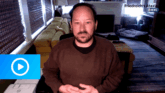
Hayden Howard, who lives in Ohio, was diagnosed with Friedreich’s ataxia (FA) in 2014 at the age of 11. Using her experience with clinical trials, she says emotional well-being should be weighed into whether a nonessential treatment is worth adhering to, or if it’s better to find another option.

Transcript

There’s been a few trials, for example, where I’ve had to take shots for months, if not years at a time, and that’s very overwhelming. It’s just — it’s not fun to do just because they say, like, “Oh, in my health, wouldn’t you want to do this — it’ll help you.”

Read More

That’s not being helpful and not supportive, because it does take an emotional toll on you, as well as a physical one, when it comes to doing these trials. It can be exhausting, physically and mentally.

So I would just say to try and remain calm and think about what you would want to do, and really weigh all of your decisions. There’s been a few trials that I’ve just not participated in. Now, they might have helped me, but just because of what they are and what it would do to me, I would just rather remain calm.


Print This Page

More videos

Staying positive and proactive while living with FA
Taking time with treatment decisions in FA
Rethinking one-size-fits-all care in FA
Challenging rigid thinking in FA treatment
See more videos
Envelope icon

Subscribe to our newsletter

Get regular updates to your inbox.

This field is for validation purposes and should be left unchanged.

Bionews, Inc.

3 W Garden St
Suite 700
Pensacola, FL 32502
Website: bionews.com
Email: [email protected]
Phone: 1-800-936-1363

  • About Us
  • Leadership
  • Our Culture
  • Editorial Policy
  • Advertising Policy
  • Corrections Policy
  • Terms of Service
  • Privacy Policy
  • Careers
  • Contact Us
Disclaimer

This site is strictly a news and information website about the disease. It does not provide medical advice, diagnosis or treatment. This content is not intended to be a substitute for professional medical advice, diagnosis, or treatment. Always seek the advice of your physician or other qualified health provider with any questions you may have regarding a medical condition. Never disregard professional medical advice or delay in seeking it because of something you have read on this website.

Copyright © 2013-2025 All rights reserved.