

Friedreich's ataxia education: Empowering yourself
Dealing with a progressive neurodegenerative disease like Friedreich’s ataxia is difficult, but, whether you are a patient or caregiver, the more you know, the better equipped you are to handle the challenges that come with your diagnosis.


 Find an FA specialist near you
Read: Empowerment through knowledge

FA caregiving often means balancing changing needs, daily tasks, and emotional strain. By recognizing signs of burnout, building support systems, and prioritizing self-care, caregivers can sustain their health while supporting loved ones with FA.
 Discussion
Late-onset Friedreich’s ataxia is a rare form of the disease that begins after age 25 and typically progresses more slowly. Though symptoms may be milder, it can still affect balance, speech, and daily life.
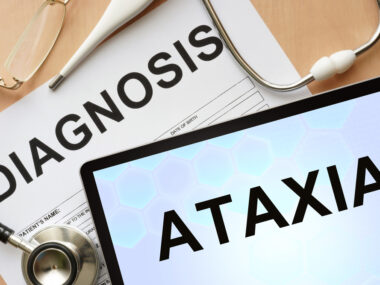
Late-onset Friedreich's ataxia is a rare genetic disorder that begins after age 25, progressing more slowly with milder symptoms than the classic form. Tailored management, including physical therapy and lifestyle changes, can help maintain mobility and quality of life.

Making targeted dietary adjustments may assist in managing Friedreich’s ataxia symptoms, supporting energy levels and overall well-being, which can contribute to a more active and comfortable daily life.

Key takeaways from the webinar include the complexity of the relationship between FA patients and caregivers, and the importance of practicing open communication and empathy and asking for help when necessary.

As Friedreich’s ataxia progresses, muscle weakness in your upper limbs and trunk can affect your speech. Augmentative and alternative communication (AAC) devices can help you better communicate.

Due to the muscle weakness that occurs with FA, speech can be slow or slurred, making it hard to communicate. There are strategies to help address this, including speech therapy.

Following these FA travel tips, which include researching your destination, managing fatigue, and knowing what to do in an emergency, will help you overcome challenges so you can focus on enjoying your getaway.

Some ways to address the impact FA might have on your emotional well-being include getting professional assistance from mental health counselors, building a robust support network of family and friends, and practicing self-care.

Connecting to the Friedreich's ataxia community can help you gain insights into the disease, find emotional support, and give you practical advice and strategies for daily living, ensuring you’re not alone in your health journey.

The 2023 webinar, "Beyond the Friedreich's ataxia basics," covered topics such as the diagnosis journey, treatment and management, lifestyle and wellness, and financial considerations for people affected by FA.

Managing Friedreich's ataxia on a regular basis means developing strategies to help you with your daily tasks and routines, balancing healthcare visits with physical and occupational therapy appointments, maintaining your mental wellness, and addressing your needs for emotional support and social connections.
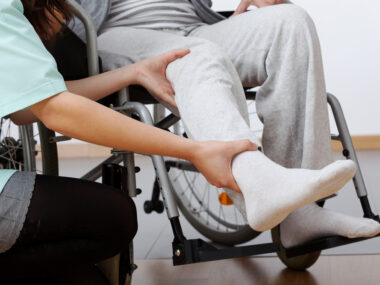
Physical therapy may prolong motor function capacity (including the ability to walk) and help achieve a higher quality of life for as long as possible in people with Friedreich's ataxia. It can also help reduce pain, abnormalities of the feet and other body areas, and disability.

It can take years of dealing with the unknown until a Friedreich's ataxia diagnosis is confirmed through genetic testing. Here are four people's stories on their journey through the diagnostic process and how it felt to finally put a name to symptoms that had plagued them throughout their lives.

Being a teenager is hard. But growing up with a progressive disease like Friedreich's ataxia can make it all the more challenging. Three people with FA describe what it was like to grow up with the disease, from diagnosis to acceptance to being able to pass on everything they learned to other children with FA.

Elizabeth Hamilton, whose daughter Amelia lives with Friedreich's ataxia, discusses how she approached talking to Amelia about the disease, how having a community to rally around them has helped, and advice she has for other parents in a similar situation.

Several mobility aids and other adaptations are available for people with Friedreich's ataxia to make daily life easier at home, school, and work. As FA progresses, patients may need to rely on a variety of assistive devices that can help them maintain their mobility and independence.

Being the parent of a child with a rare disease like Friedreich’s ataxia means balancing healthcare appointments, working through the challenges of a progressive disease, staying strong for your child, and so much more. It's easy to get overwhelmed, but there is a community and resources that can help.